
"flat bean Santos"
200 article(s) found

A brief introduction to the cultivation of sweet and bitter Brazilian boutique coffee beans, geographical location, climate and altitude
In 2005, due to the first right designated by the Serrado Coffee region in the field of origin certification, the coffee met the standard in this area of production, called Serrado, and claimed that it was recognized. Like wine, coffee producing areas only allow the successful acquisition of world-class coffee regions with limited quality identity, Serrado's name is now known. The Serrado title is called. You must pass the certification.
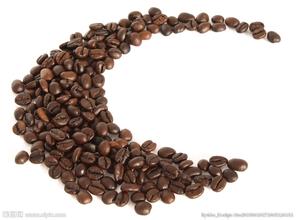
Introduction of Brazilian Hilado Coffee Bean Flavor description Grinding scale treatment Manor
Brazilian coffee generally refers to coffee produced in Brazil. There are many kinds of coffee in Brazil. Like other Arabica coffee, Brazilian coffee is called Brazils to distinguish it from Milds coffee. The vast majority of Brazilian coffee is unwashed and sun-dried and is classified according to the name of the state of origin and port of transport. Brazil has 21 states and 17 states produce coffee, but four of them produce the most coffee.

Introduction to the flavor of high-quality coffee beans in the Brazilian coffee manor with full taste and strong fragrance
Chinese coffee network Brazilian coffee taste with a low sour taste, with the sweet and bitter taste of coffee, the entrance is very smooth, and with a hint of grass, slightly bitter in the fragrance, smooth and smooth, the aftertaste can make people comfortable and pleasant. There are no outstanding advantages for Brazilian coffee, but there are no obvious drawbacks. The taste is mild and smooth, low acidity and mellow.

The taste of Brazilian coffee with moderate sour and bitterness the characteristics of Brazilian boutique coffee beans are introduced.
There are many large farms in Brazil, which run endless coffee plantations. They use machines to harvest and dry them. They are so efficient in automation that they regard coffee as a general agricultural material and completely abandon the flavor and flavor. As a result, many select coffee companies simply do not sell Brazilian beans so as not to demean themselves. In select coffee shops, Santos in Brazil still appears occasionally.
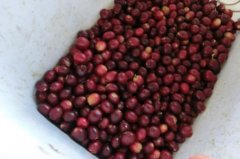
Half-sun Brazilian Fine Coffee Manor Queen Manor Yellow bourbon Coffee Origin, Development, History and Culture
There are many large farms in Brazil, which run endless coffee plantations. They use machines to harvest and dry them. They are so efficient in automation that they regard coffee as a general agricultural material and completely abandon the flavor and flavor. As a result, many select coffee companies simply do not sell Brazilian beans so as not to demean themselves. In select coffee shops, Santos in Brazil still appears occasionally.

An introduction to the characteristics of Brazilian coffee boutique coffee bean flavor and taste manor with endless coffee plantations
There are many large farms in Brazil, which run endless coffee plantations. They use machines to harvest and dry them. They are so efficient in automation that they regard coffee as a general agricultural material and completely abandon the flavor and flavor. As a result, many select coffee companies simply do not sell Brazilian beans so as not to demean themselves. In select coffee shops, Santos in Brazil still appears occasionally.

Introduction to the producing area of Brazilian yellow bourbon coffee bean flavor description and grinding scale varieties
Brazilian yellow bourbon coffee bean flavor description grinding scale variety introduction grinding: in order to blend with water, coffee made the greatest sacrifice to pieces. Before brewing coffee, the beans must be ground into fine grains to increase the contact area between water and coffee in order to extract the delicacy. In fact, the bean grinder is more important than the coffee machine. At present, most people choose the serrated mill.

Introduction of Brazilian Coffee Flavor description, Grinding scale treatment and Regional varieties
Brazilian Coffee Flavor description Grinding scale treatment Variety introduction the ancient bourbon coffee is grown in some estates in the Serrado district of Minas Greais state in southeastern Brazil. These estates, such as Capin Branco and Vista Allegre, also grow old varieties of bourbon coffee.

Flavor description of Yellow bourbon Coffee in Queen's Manor of Brazil introduction of Grinding scale varieties
Grinding: coffee makes the greatest sacrifice to break into pieces in order to blend with water. Before brewing coffee, the beans must be ground into fine grains to increase the contact area between water and coffee in order to extract the delicacy. In fact, the bean grinder is more important than the coffee machine. At present, most people choose the sawtooth grinder because it can grind uniform coffee powder quickly and steadily. Sawtooth
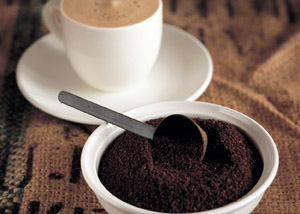
Introduction to the taste of varieties produced by the method of grinding and calibration for flavor description of Brazilian coffee beans
Brazil is vividly compared to the giant and monarch of the coffee world. There are about 3.97 billion coffee trees there, and small farmers now grow 75% of Brazil's total coffee production. The number of coffee producers in Brazil is twice or even three times that of Colombia, the second largest coffee producer in the world. Unlike in the past, Brazil's economy is now less dependent

Introduction to the origin of taste grinding scale of coffee bean varieties in Huangbourne Manor, Queen's Manor, Brazil
Although coffee is diverse, Brazilian coffee is suitable for the taste of the public. For example, coffee produced in the northern coastal areas has a typical iodine taste, reminiscent of the sea after drinking. This coffee is exported to North America, the Middle East and Eastern Europe. Another kind of coffee that is interesting and worth looking for is washed Bahia coffee. This kind of coffee is not easy to find, because after the United States

A brief introduction to the taste of half-sun grinding scale varieties of yellow bourbon coffee beans in Brazil's Queen's Manor.
There are many large farms in Brazil, which run endless coffee plantations. They use machines to harvest and dry them. They are so efficient in automation that they regard coffee as a general agricultural material and completely abandon the flavor and flavor. As a result, many select coffee companies simply do not sell Brazilian beans so as not to demean themselves. In select coffee shops, Santos in Brazil still appears occasionally.

Flavor description of Brazilian Hillado Coffee beans with strong aroma introduction to the producing area of manor with taste of varieties
Brazil is vividly compared to the giant and monarch of the coffee world. There are about 3.97 billion coffee trees there, and small farmers now grow 75% of Brazil's total coffee production. The number of coffee producers in Brazil is twice or even three times that of Colombia, the second largest coffee producer in the world. Unlike in the past, Brazil's economy is less dependent on coffee.
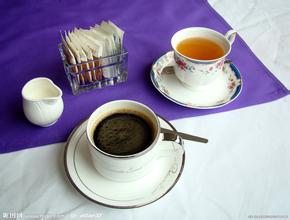
Brazilian Coffee Manor with faint grassy fragrance introduction to Fine Coffee
Brazilian coffee generally refers to coffee produced in Brazil. There are many kinds of coffee in Brazil. Like other Arabica coffee, Brazilian coffee is called Brazilian coffee Brazils to distinguish it from Milds coffee. The vast majority of Brazilian coffee is unwashed and sun-dried and is classified according to the name of the state of origin and port of transport. Brazil has 21 states and 17 states produce coffee, but among them

Characteristics of Brazilian Santos Coffee introduction of Brazilian boutique coffee bourbon species in that producing area of Santos, Brazil
The real bourbon Santos is the beans of the first few seasons of mocha coffee trees. The taste is comparable to that of high-end Yushan coffee. In the same coffee tree, only beans harvested in previous periods can be named bourbon. Three or four years later, the characteristics of beans gradually changed, and in the sixth year, they became Flat Bean Santos. Red Santos tastes sweet, bourbon Santos tastes bitter, Shinzo Santo

Description of Brazilian Coffee Flavor with low sour taste introduction to the treatment of Grinding degree
There are many large farms in Brazil, which run endless coffee plantations. They use machines to harvest and dry them. They are so efficient in automation that they regard coffee as a general agricultural material and completely abandon the flavor and flavor. As a result, many select coffee companies simply do not sell Brazilian beans so as not to demean themselves. In select coffee shops, Santos in Brazil still appears occasionally.

Brazilian Coffee Variety Flavor Taste Boutique Coffee Bean Manor Introduction
Brazil, the largest producer of coffee, accounts for one-third of global consumption of all grades and varieties, and has a place in the global coffee market. Although Brazil faces many times more natural disasters than other regions, its arable area is enough to compensate. There are many kinds of coffee here, but its industrial policy is large and cheap, so it is especially superior coffee and

Description of Brazilian Coffee Flavor introduction of varieties of Grinding Calibration by treatment method in Manor production area
Brazilian Coffee Flavor description Taste Flavor Regional processing Grinding Calibration varieties have proved that Brazil also has the ability to produce gourmet coffee and small batches of coffee, local boutique coffee can not only be provided by small-scale coffee farmers, the main coffee producing areas in Brazil are Sulde Minas South Minas, Matas de Minas Minas Southeast Mountain Forest region, Cerrado Syracuse,
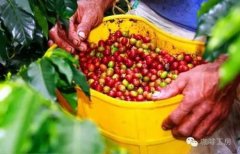
A brief introduction to the description of the flavor, taste and aroma characteristics of Brazilian boutique coffee beans
There are many large farms in Brazil, which run endless coffee plantations. They use machines to harvest and dry them. They are so efficient in automation that they regard coffee as a general agricultural material and completely abandon the flavor and flavor. As a result, many select coffee companies simply do not sell Brazilian beans so as not to demean themselves. In select coffee shops, Santos in Brazil still appears occasionally.

Brazilian Santos: a Hermit in the Coffee Kingdom
Brazilian Santos belongs to neutral beans. Coffee has moderate aroma, acid and alcohol, low bitterness and is famous for its smooth taste. It is mild, slightly sour, smooth and round in the mouth, smooth but has a good return to sweet taste.